The Problem
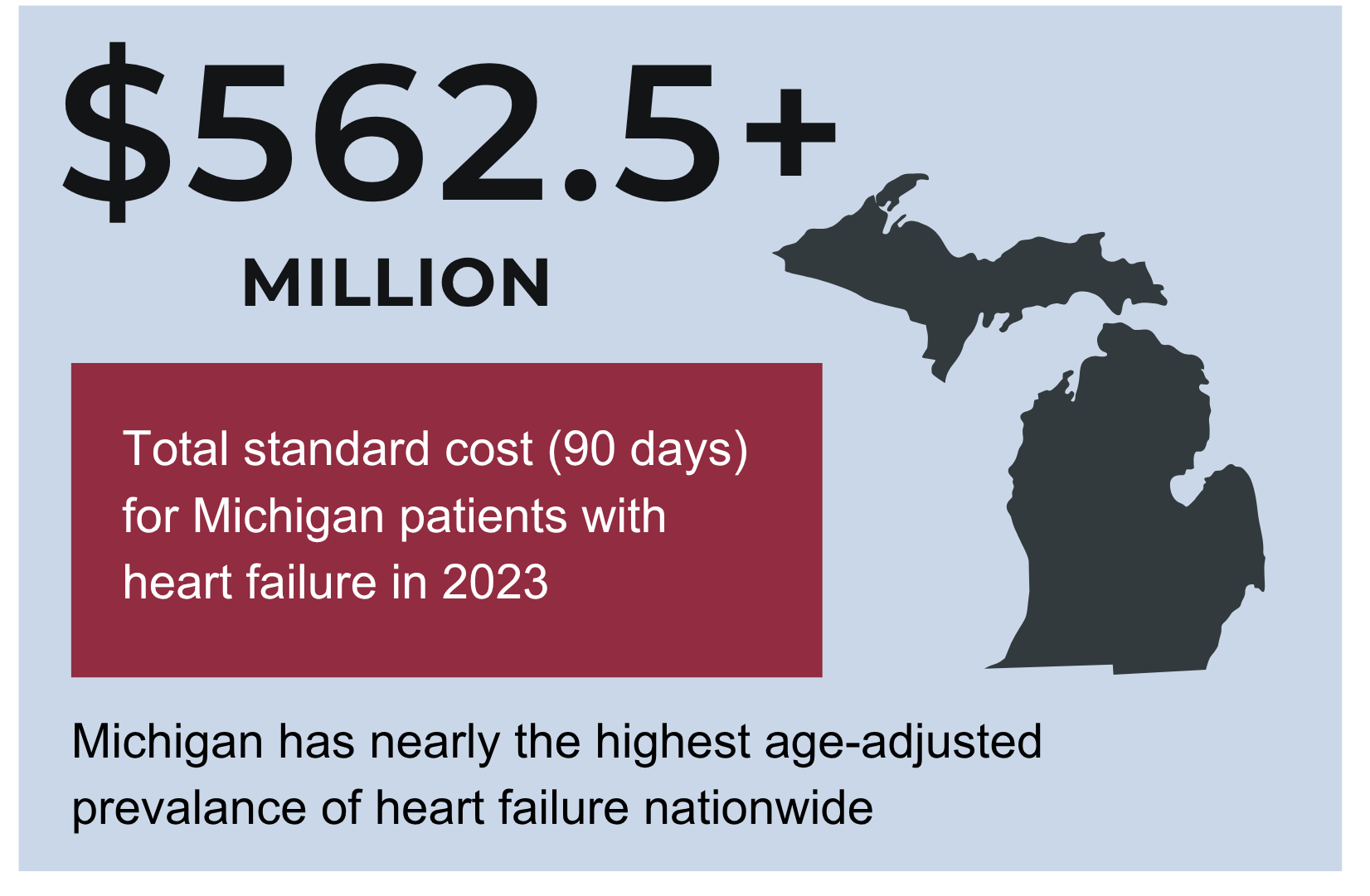
Over 7 million American adults have heart failure, and prevalence is expected to rise to over 10 million by 2040. One in four individuals will develop heart failure in their lifetime, and Michigan has one of the highest rates of heart failure in the nation. In 2023, the standard 90-day cost for Michigan patients with heart failure exceeded $562.5 million, driven by medical costs such as hospitalizations.
Our Mission
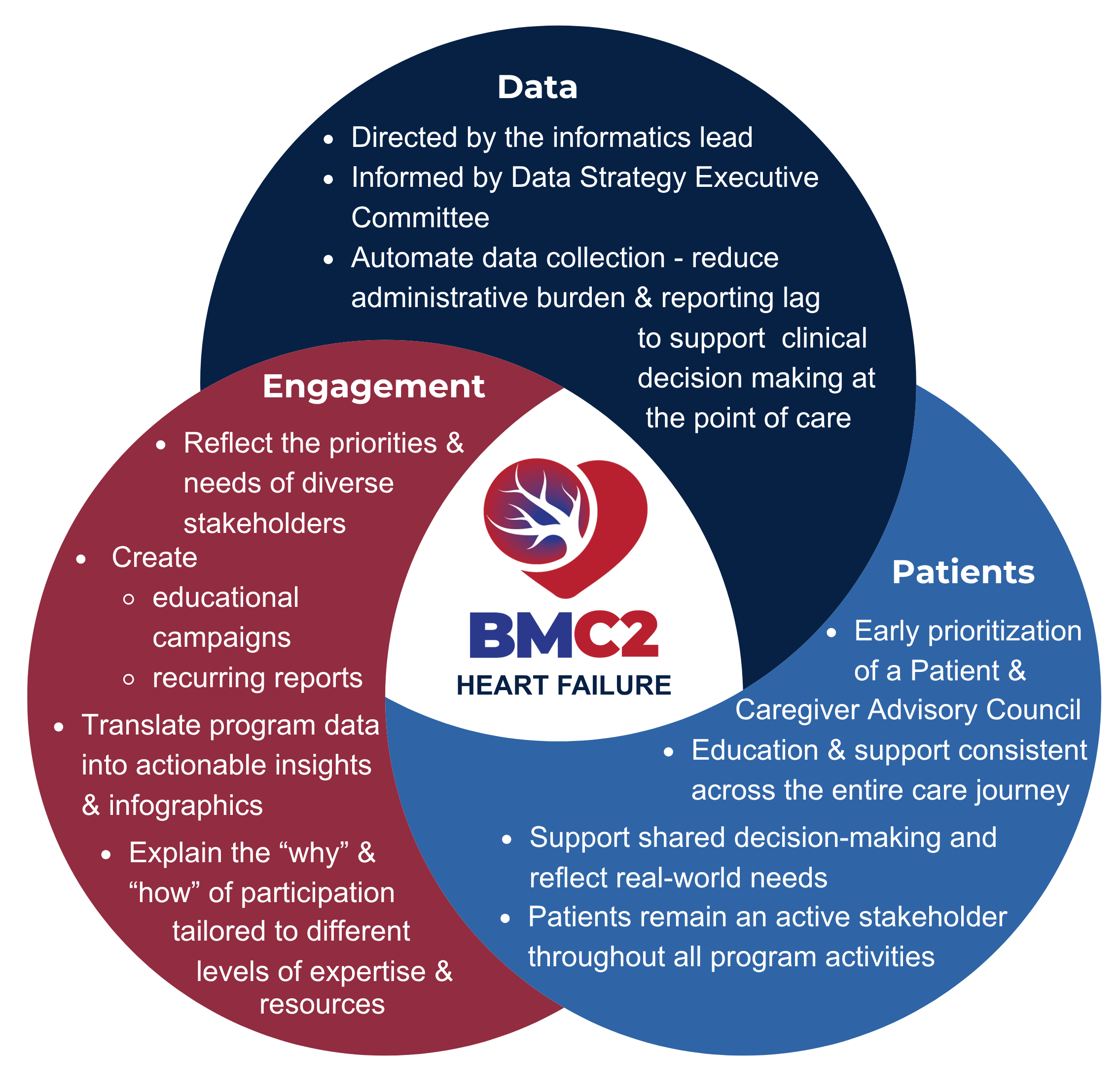
The BMC2 Heart Failure Quality Improvement Program will utilize data, engagement, and patient strategies to create a profound impact:
- Improve patient outcomes by reducing heart failure hospitalizations and readmission rates
- Collaborative learning and expanded partnership, reach, and impact
- Cost reduction via BMC2’s proven model of collaborative quality improvement
- Data-driven impact enabling rapid-cycle improvement
Sustainable impact for Michigan patients with heart failure, their medical teams, and the insurance payers who support their care
Assembling BMC2 Heart Failure
Jessica Golbus, MD, MS, a Heart Failure and Transplant cardiologist and expert in outcomes research and clinical trials, will lead the overall implementation of the program and oversee its quality improvement efforts as the program’s director.
“BMC2 Heart Failure will leverage the structure and expertise of the BMC2 Collaborative Quality Initiative in a new population health approach,” Dr. Golbus explained. “It will also partner with existing physician organizations within the Blue Cross Blue Shield of Michigan Physician Group Incentive Program to improve outcomes through cross-center, multidisciplinary collaboration.”
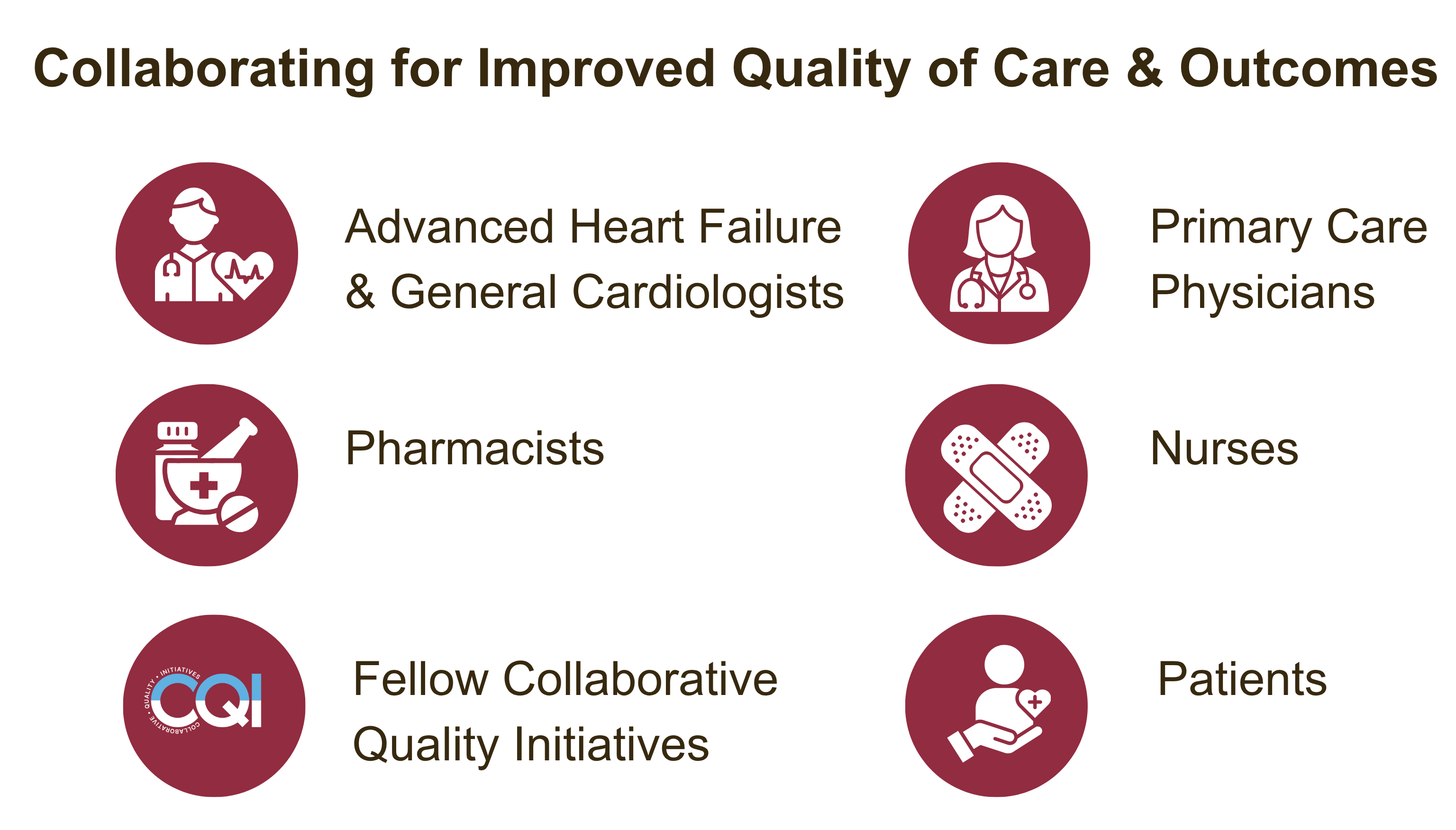
BMC2 Heart Failure will assemble a stakeholder advisory panel including advanced heart failure and general cardiologists, pharmacists, primary care physicians, nurses, and patients.
Our Current Goals
During its initial phase, the BMC2 Heart Failure Quality Improvement Program will focus on:
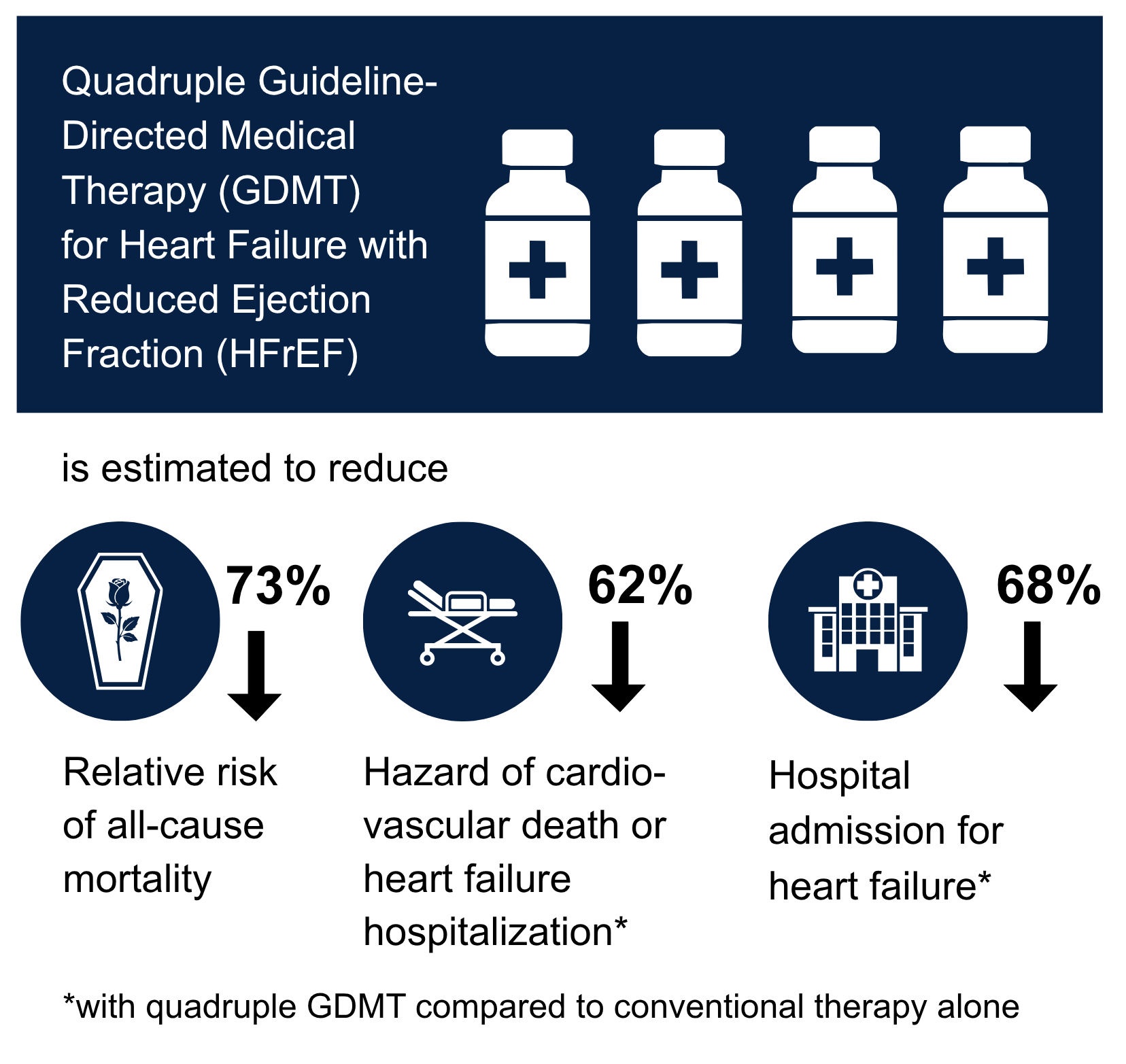
- Safe and appropriate prescribing of a quadruple guideline-directed medical therapy as best practice for patients with heart failure with reduced ejection fraction (HFrEF), a condition in which the left ventricle's pumping function is weakened
- Identifying and onboarding a small set of BMC2 Heart Failure-participating sites
- Finalizing a data strategy
- Developing performance measures
- Collecting data.
In subsequent years, the program will expand to include additional participating sites, an expanded set of performance measures, and patients with additional types of heart failure.
Our Data
Mike Dorsch, PharmD, MS, an expert in clinical informatics and patient decision aids, will lead the data strategy, developing a data pipeline with actionable reporting for specialists and physician organizations alike.
Impact and Strategies
Get Involved
Are you interested in participating in the program or learning more? Contact us at bmc2.info@umich.edu.